Why Energy-Efficient Homes Still Don’t Get the Credit They Deserve

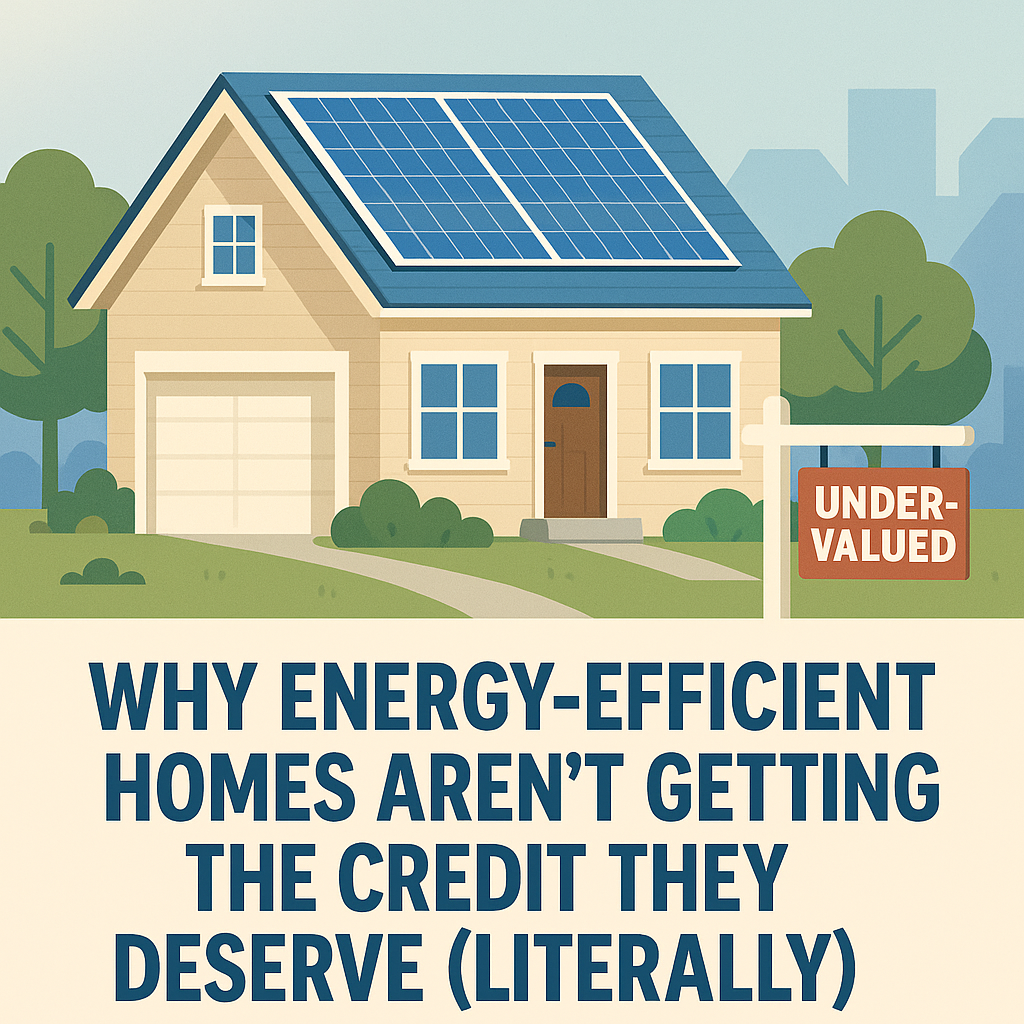
Energy Efficient homes dont get the credit they deserve

The market seems to be pushing for sustainability, but the system still hasn’t caught up. That disconnect is creating real issues for buyers, sellers, and agents.

According to the National Association of REALTORS® 2025 Residential Sustainability Report, nearly half of the agents surveyed said they’ve worked with a green-featured home in the past year. Yet, 73% aren’t even sure whether local appraisers know how to value those features properly. If solar panels, high-efficiency systems, or smart home upgrades don’t show up in the valuation, the seller doesn’t benefit and the buyer may not realize what they’re getting.

Read More

Inflation Expectations Rise While Job Confidence Slips, Housing Holds Steady

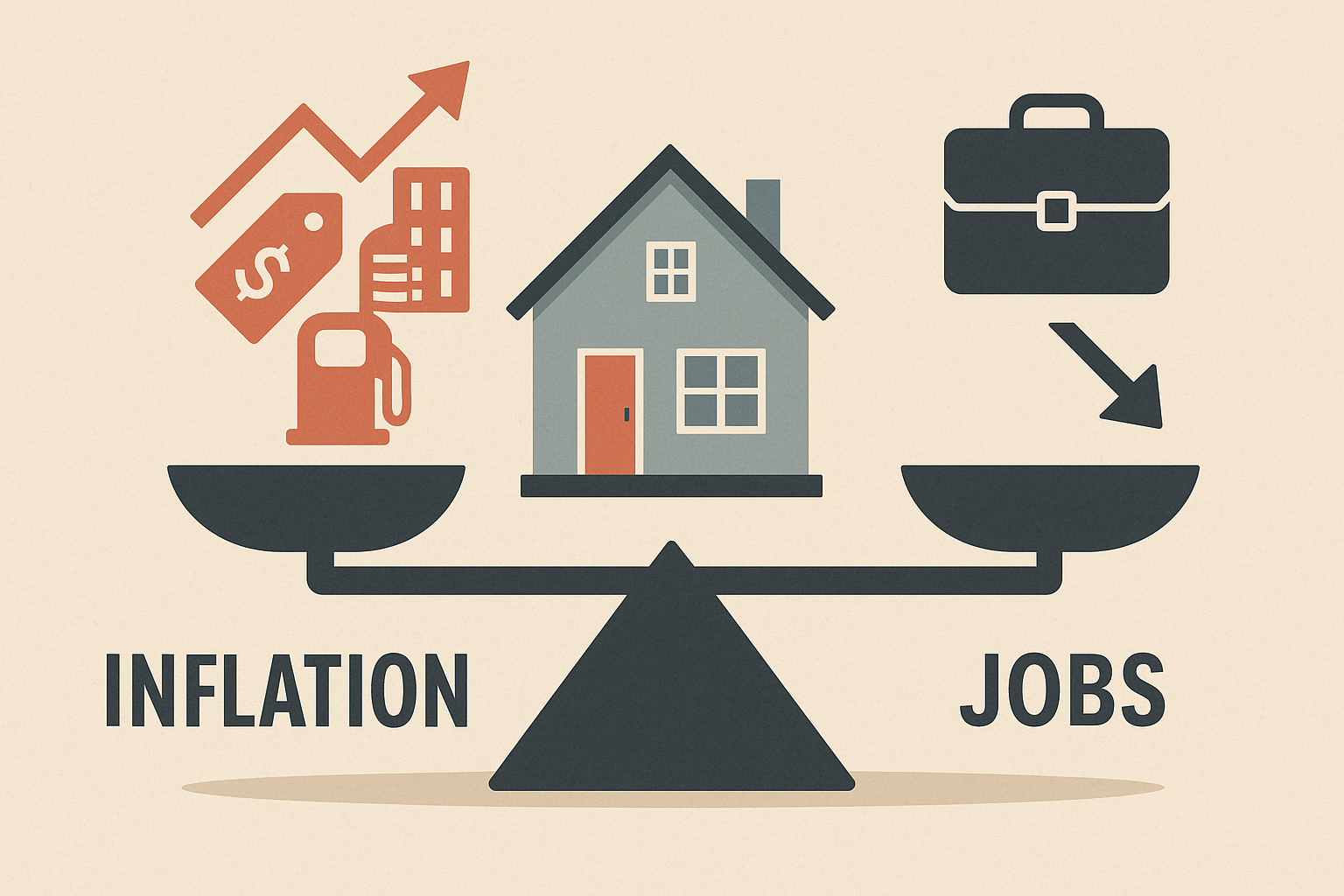
Inflation and jobs

There’s a growing disconnect between how consumers feel about inflation and how they feel about the job market, and it matters whether you’re a homeowner, investor, or a real estate agent trying to read the room. According to the Federal Reserve Bank of New York’s latest consumer expectations survey for September 2025, Americans are bracing for higher short-term inflation while confidence in job security continues to slide.

Inflation expectations ticked up to 3.4 percent over the next year, up from 3.2 percent in August, and even five-year expectations inched higher. That’s a sign that consumers aren’t fully buying into the idea that inflation is under control. Interestingly, the largest jump in short-term inflation expectations came from households earning under $50,000 and those with no more than a high school education. These are the same households most exposed to rising prices, and often the ones fueling demand in the rental market.

Read More

Real Estate and the Shutdown: What Stops, What Slows, What Moves

Federal Government shutdown and impact on residential real estate market and industry

The federal government officially shut down at midnight last night, after Congress failed to pass a funding bill. While this doesn’t bring the housing market to a halt, it does throw a wrench into some key parts of the residential real estate process.

Most loan activity through Fannie Mae and Freddie Mac will continue, since they’re not federally funded, but deals involving the federal government directly will see delays or stoppages. USDA loans are paused completely. FHA and VA loans are still technically operational, but with fewer staff and slower processing, timelines are going to slip.

Read More

Zillow Pays Redfin $100 Million to Exit the Rental Ad Game….and the FTC Isn’t Having It

FTC sues Zillow and REdfin

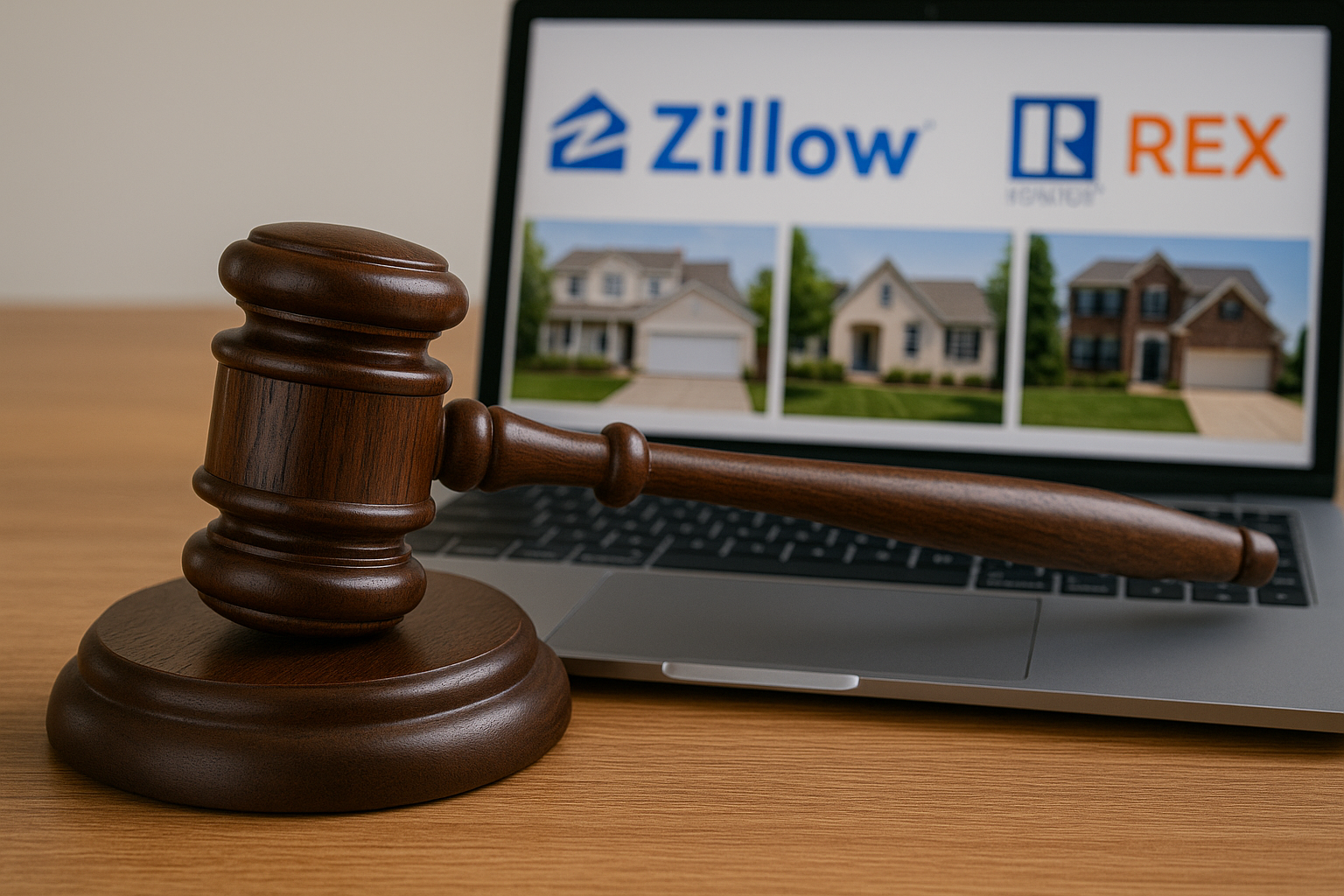
In what the FTC is calling a “blatantly anti-competitive agreement,” Zillow paid Redfin $100 million to get out of the rental advertising business and hand over its multifamily customers. That’s not an exaggeration…according to the FTC’s 32-page federal complaint filed September 30, the agreement requires Redfin to terminate all contracts for properties with 25 or more units, share sensitive customer info, lay off its entire rentals team, and direct its clients (and staff) over to Zillow.

In return, Redfin gets to stay in the rental search game… as a syndicator for Zillow listings only. The agreement spans up to nine years and effectively kills off Redfin as a competitor in the ILS (Internet Listing Service) space for large rental properties.

Read More

Zillow Hit with Class Action Lawsuit Alleging Hidden Fees, Deceptive Practices

Zillow Premier Agent Lawsuit

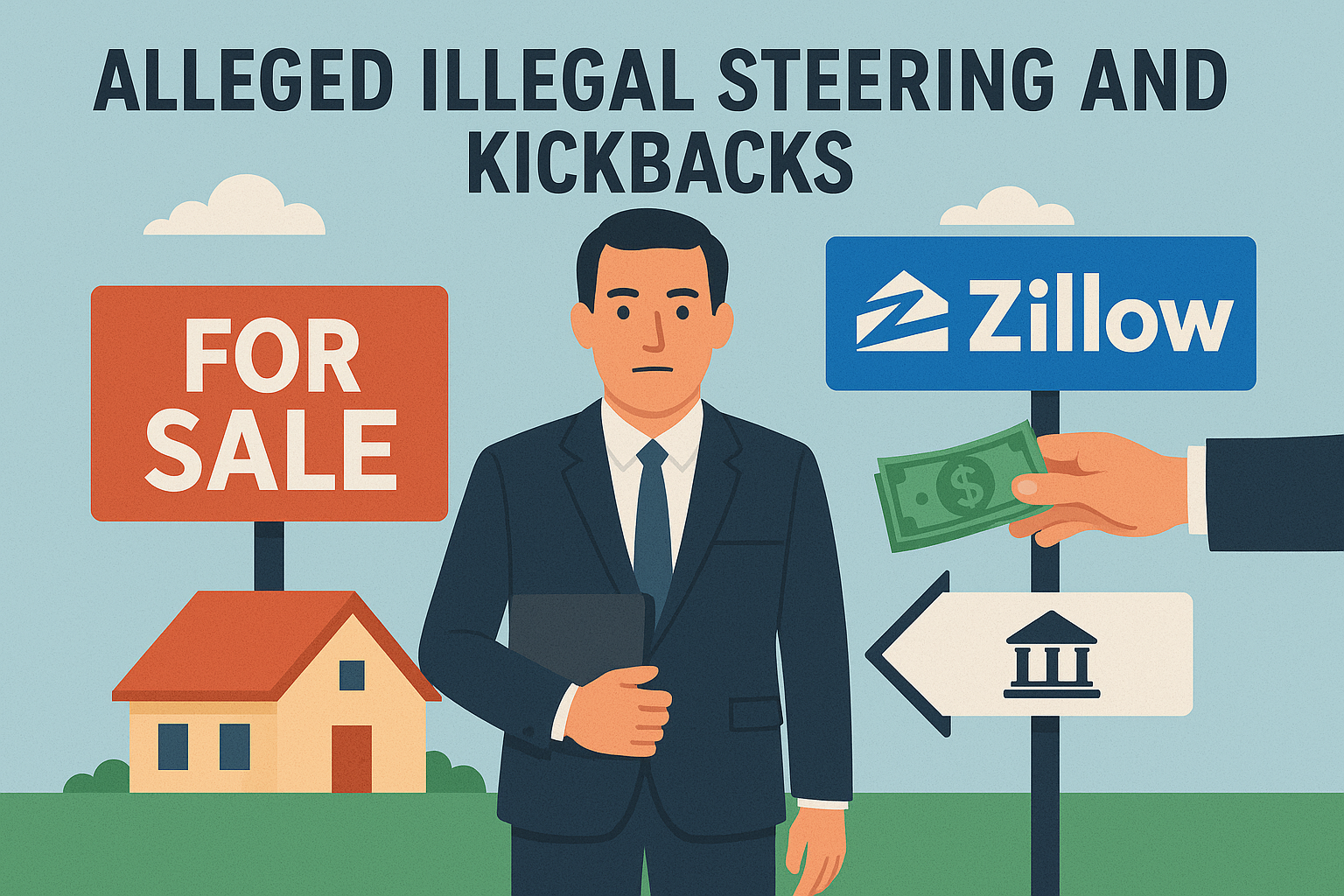
Zillow is being sued in a proposed nationwide class-action lawsuit that alleges it misleads consumers on its site while quietly pocketing up to 40% of the buyer agent’s commission, and doing it without disclosure to either the buyer or the seller.

The lawsuit, filed by Oregon homebuyer Alucard Taylor on September 19, 2025, targets Zillow’s “Flex” agent referral program and accuses the company of violating both the Washington Consumer Protection Act and the federal Real Estate Settlement Procedures Act (RESPA).

Read More

What Uber, Amazon, and Zillow All Have in Common (and Why It Should Worry Real Estate Agents)

Corporate squeeze on agents real estate commission

There’s a familiar pattern playing out across industries right now, and real estate agents are right in the thick of it, whether we realize it or not.

The research on Amazon and Uber’s fee evolution is eye-opening. Both platforms started by offering their users, sellers and drivers, low-cost access and the promise of big opportunities. Amazon took less than 10% from sellers back in 2006. Uber’s original commission rate was a flat 20%. Fast forward to 2025, and Amazon is taking roughly 45% of third-party sellers’ revenue. Uber drivers are seeing 30 to 40% of their fares siphoned off in fees.

Read More

The American Dream Is Being Zoned Out”—Why Housing Supply Is the Real Crisis

Supply Side Solution to the Housing Crisis

Why the American Dream is Getting Priced Out — and What Might Actually Fix It

If you’re a homeowner, or hope to be one, you’re likely feeling the pinch of rising home prices and shrinking inventory. But according to Colin Allen, Executive Director of the American Property Owners Alliance, there’s a very clear reason behind this mess: supply.

Read More

Not a Crash, Not a Boom — Just a Market That’s Stuck

Sellers Delisting Properties

The national housing market is getting more complicated, not less. After nearly two years of steady inventory gains, many buyers and sellers expected more balance heading into fall — maybe even a little momentum. But what’s actually happening is more nuanced, and more telling: sellers are quietly backing off.

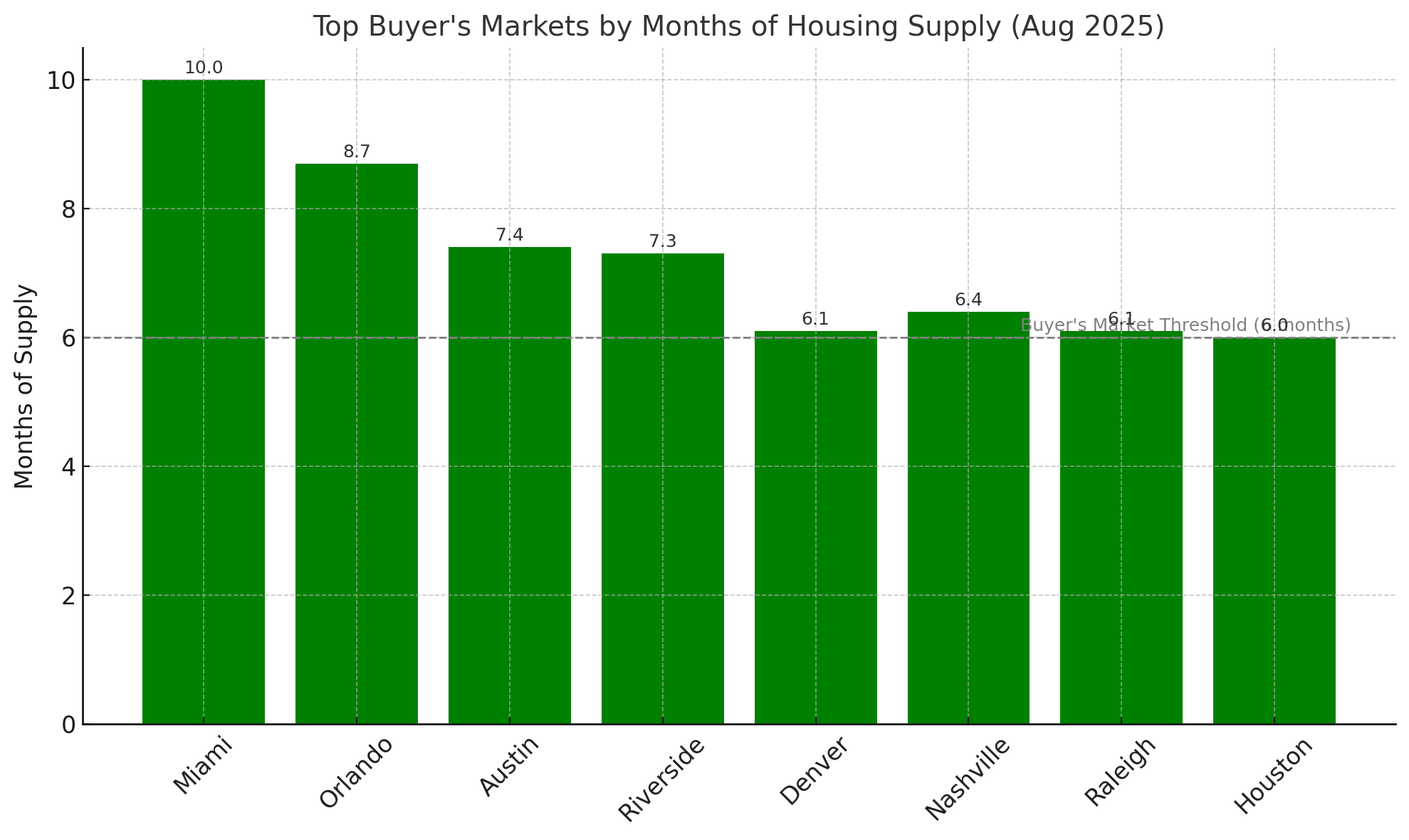
Delistings — homes pulled off the market without a sale — surged 57% year-over-year. In plain terms, a growing number of homeowners are giving up midstream. They’re not just lowering prices or sitting tight — they’re removing listings altogether, often because offers aren’t coming in, or the ones that do aren’t even close to expectations. In some metros, like Miami and Phoenix, more than one in every three or four listings is now ending in a delisting.

Read More

Split Market: Why Home Prices Are Rising in Some Cities but Falling in Others

Why Home Prices Are Rising in Some Cities but Dropping in Others

Depending on where you live, the housing market might feel hot, cold, or somewhere in between—and that’s not your imagination. According to Zillow’s latest data, home values are now rising in about half of the country’s major metros and falling in the other half. What’s behind this split? Mostly, it’s a mix of affordability, supply, and the ability—or inability—to build.

Read More