Investor-Owned Homes Hit 5-Year High, But It’s Not Who You Might Think

According to the Q2 2025 Investor Pulse™ Report from BatchData, investors accounted for 33% of all single-family home purchases in the U.S., the highest share in five years. That jump from 27% in Q1 might sound alarming to some, but the full picture is a bit more nuanced. Yes, investors bought one-third of the homes sold last quarter, but who those investors are, and what they’re buying, is the more important story.

Despite headlines often pointing fingers at Wall Street firms, it’s the “mom-and-pop” investors driving this trend. BatchData’s report shows that individuals owning one to five properties make up a staggering 87% of investor-owned single-family homes nationwide. When you include those holding up to 10 properties, that number jumps to 91%. The big institutions? They own just 2% of investor-held homes and have been net sellers for six quarters in a row. In Q2, they sold 5,801 homes while only buying 4,069.

Read More

Opening Up the MLS: Good for the Industry, Even if It Hurts at First

The National Association of Realtors just made a move that, frankly, they should have made a long time ago. By removing the requirement that MLSs only serve Realtors, NAR is no longer forcing agents into association membership just to get access to the MLS.

The National Association of REALTORS® just made a move that, frankly, they should have made a long time ago. By removing the requirement that MLSs only serve REALTORS®, NAR is no longer forcing agents into association membership just to get access to the MLS (though it was an “optional rule”, many MLS’s, if not most, throughout the country have adopted it). That might sound like a subtle policy tweak, but it could end up reshaping the entire structure of organized real estate.

For many MLSs, this change simply brings national policy in line with what they were already doing. CRMLS, Bright MLS, HAR, and several others have allowed non-REALTORS® to subscribe for years. Now others like SmartMLS in Connecticut and Doorify in North Carolina are following suit.

Read More

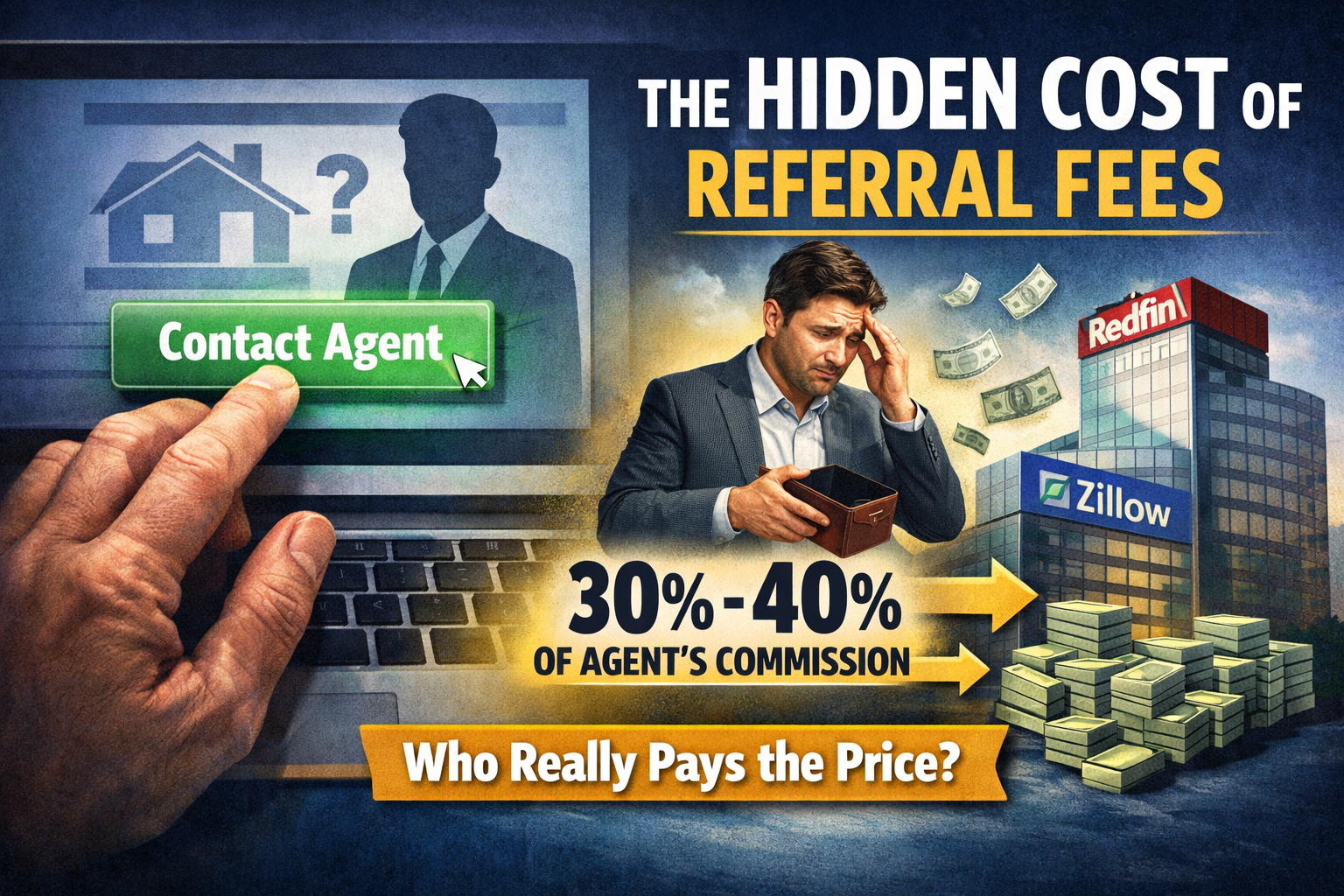
Realtors Block Expanded Referral Fee Disclosure…A Win for Tradition or a Missed Chance at Transparency?

NAR Shoots Down Referral Fee Disclosure Rule: Transparency Takes a Hit

At a time when the National Association of Realtors (NAR) is under a microscope, and honestly, for good reason, you’d think transparency would be the one thing everyone could agree on. But at this week’s NAR NXT conference in Houston, a proposed change to the Code of Ethics that would have expanded referral fee disclosure requirements was shot down. Not by the NAR Board of Directors, mind you, they passed it by a strong 84 percent margin. It was the so-called Delegate Body, which had the final say, and they said no.

The proposal would have required Realtors to disclose all referral fees, including those from lead-gen platforms like Zillow and other “partners,” and to obtain written client consent when receiving any kind of rebate, profit, or compensation from referrals. Right now, the rules only require disclosure of commissions, leaving referral fees largely out of sight. The change would have closed that gap.

Read More

Real Estate’s Commission Reckoning: What Low-Fee Brokers Mean for Agents and Sellers

reducing real estate commissions: are low-fee brokers a viable alternative for home sellers? STEPHEN BROBECK senior fellow Wendy Gilch fellow J U N E 2025

There’s no question the real estate industry is in the middle of a shift, and not a subtle one. The recent report from the Consumer Policy Center on low-fee brokers makes it even clearer: change is here, and it’s accelerating. The traditional 5-6% commission structure, long defended and protected by entrenched interests, is finally being questioned not just by regulators and plaintiffs in class-action suits, but more importantly, by consumers themselves. And for good reason.

For decades, the industry has relied on a model where the seller typically pays both sides of the commission, regardless of the quality or actual involvement of the agents on either side. That made sense when MLS access and market knowledge were tightly held by agents, but in 2025, information is no longer a gatekept asset. Buyers and sellers come to the table with more data and resources than ever before, and naturally, they’re beginning to question whether the services provided justify the cost.

Read More

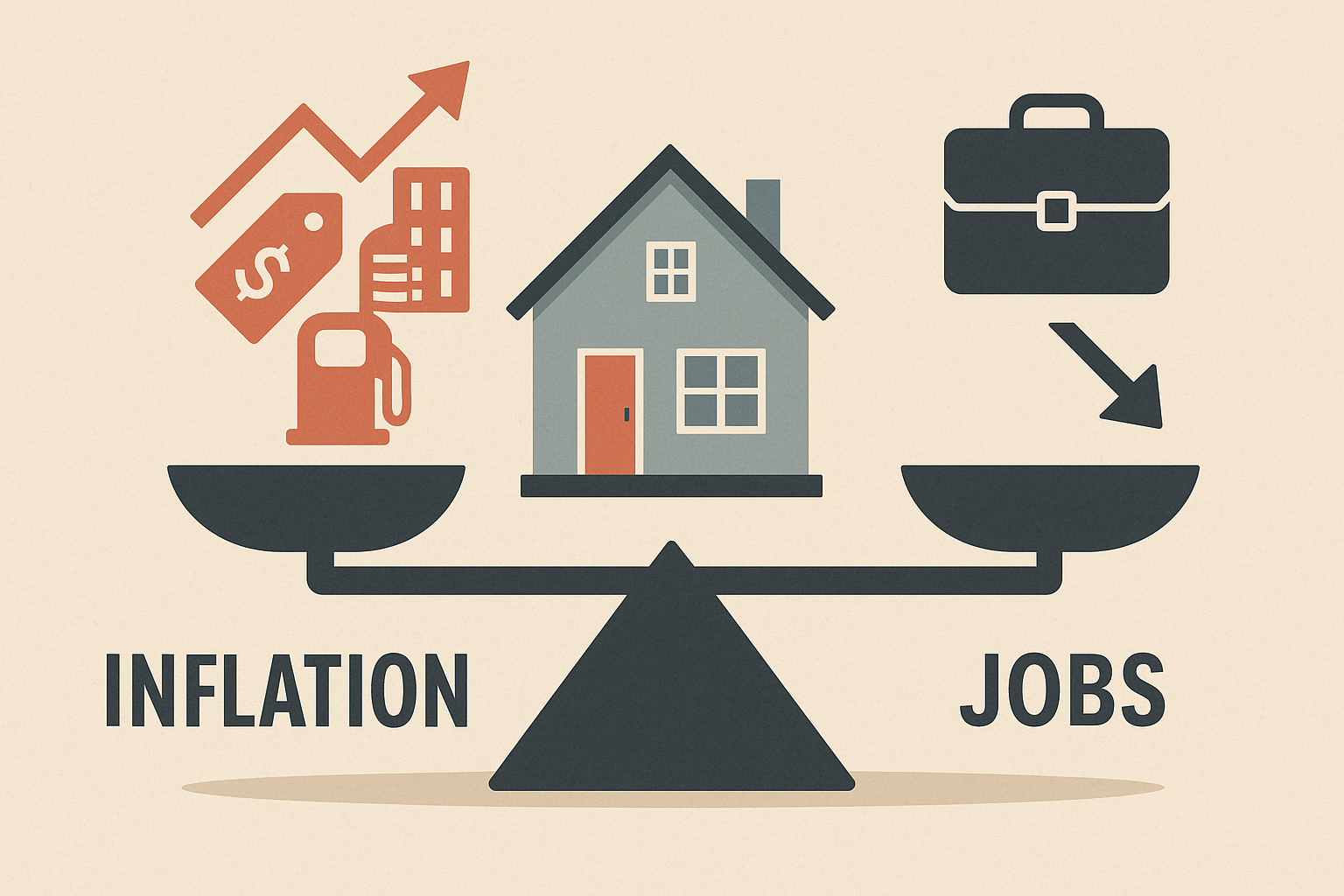
Inflation Expectations Rise While Job Confidence Slips, Housing Holds Steady

Inflation and jobs

There’s a growing disconnect between how consumers feel about inflation and how they feel about the job market, and it matters whether you’re a homeowner, investor, or a real estate agent trying to read the room. According to the Federal Reserve Bank of New York’s latest consumer expectations survey for September 2025, Americans are bracing for higher short-term inflation while confidence in job security continues to slide.

Inflation expectations ticked up to 3.4 percent over the next year, up from 3.2 percent in August, and even five-year expectations inched higher. That’s a sign that consumers aren’t fully buying into the idea that inflation is under control. Interestingly, the largest jump in short-term inflation expectations came from households earning under $50,000 and those with no more than a high school education. These are the same households most exposed to rising prices, and often the ones fueling demand in the rental market.

Read More

Real Estate and the Shutdown: What Stops, What Slows, What Moves

Federal Government shutdown and impact on residential real estate market and industry

The federal government officially shut down at midnight last night, after Congress failed to pass a funding bill. While this doesn’t bring the housing market to a halt, it does throw a wrench into some key parts of the residential real estate process.

Most loan activity through Fannie Mae and Freddie Mac will continue, since they’re not federally funded, but deals involving the federal government directly will see delays or stoppages. USDA loans are paused completely. FHA and VA loans are still technically operational, but with fewer staff and slower processing, timelines are going to slip.

Read More

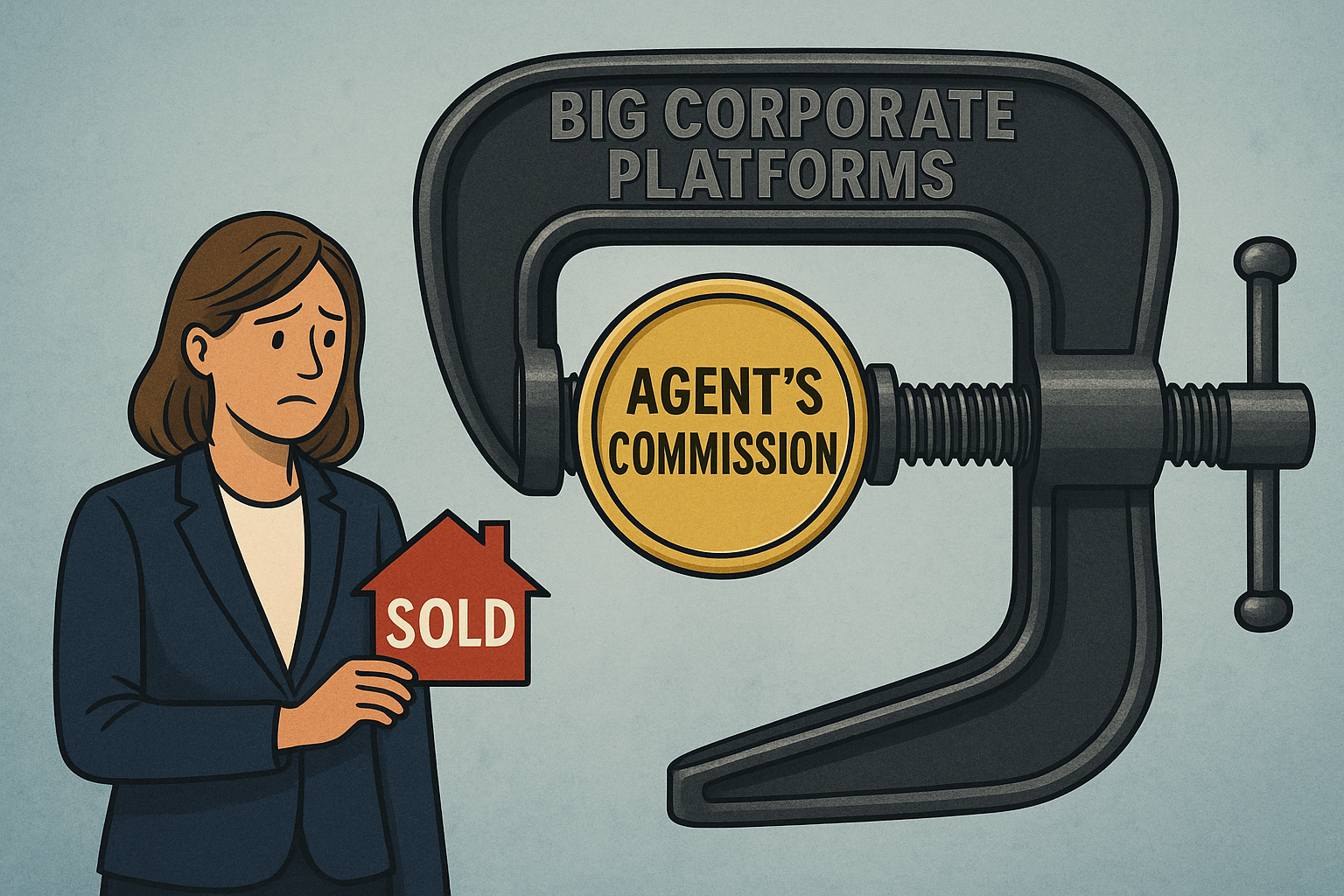
What Uber, Amazon, and Zillow All Have in Common (and Why It Should Worry Real Estate Agents)

Corporate squeeze on agents real estate commission

There’s a familiar pattern playing out across industries right now, and real estate agents are right in the thick of it, whether we realize it or not.

The research on Amazon and Uber’s fee evolution is eye-opening. Both platforms started by offering their users, sellers and drivers, low-cost access and the promise of big opportunities. Amazon took less than 10% from sellers back in 2006. Uber’s original commission rate was a flat 20%. Fast forward to 2025, and Amazon is taking roughly 45% of third-party sellers’ revenue. Uber drivers are seeing 30 to 40% of their fares siphoned off in fees.

Read More

The American Dream Is Being Zoned Out”—Why Housing Supply Is the Real Crisis

Supply Side Solution to the Housing Crisis

Why the American Dream is Getting Priced Out — and What Might Actually Fix It

If you’re a homeowner, or hope to be one, you’re likely feeling the pinch of rising home prices and shrinking inventory. But according to Colin Allen, Executive Director of the American Property Owners Alliance, there’s a very clear reason behind this mess: supply.

Read More

Want to See Real Chaos? Try Buying a Home Without the MLS

Try buying a home without the MLS

Think the American housing market is a mess? Try buying a home in Europe.

In a recent Business Insider article, James Rodriguez recapped real estate executive Brian Boero’s frustrating experience buying a second home in Italy, a process that felt like, in Boero’s words, “feeling around in the dark.” No reliable listing portal, no pricing consistency, and no central database. Just window shopping (literally) and chasing down agents who may or may not know what’s actually for sale.

Read More

CoStar vs. Zillow: Big Lawsuit Over Photos, Bigger Implications for Real Estate

CoStar vs Zillow Copyright Lawsuit

Zillow vs. CoStar: Why This Battle Over Photos Matters to You

A major copyright lawsuit filed this week by CoStar against Zillow might sound like a corporate turf war—and on the surface, that’s exactly what it is. But behind the headlines, this one hits closer to home for agents, landlords, and property owners than most people realize.

Read More