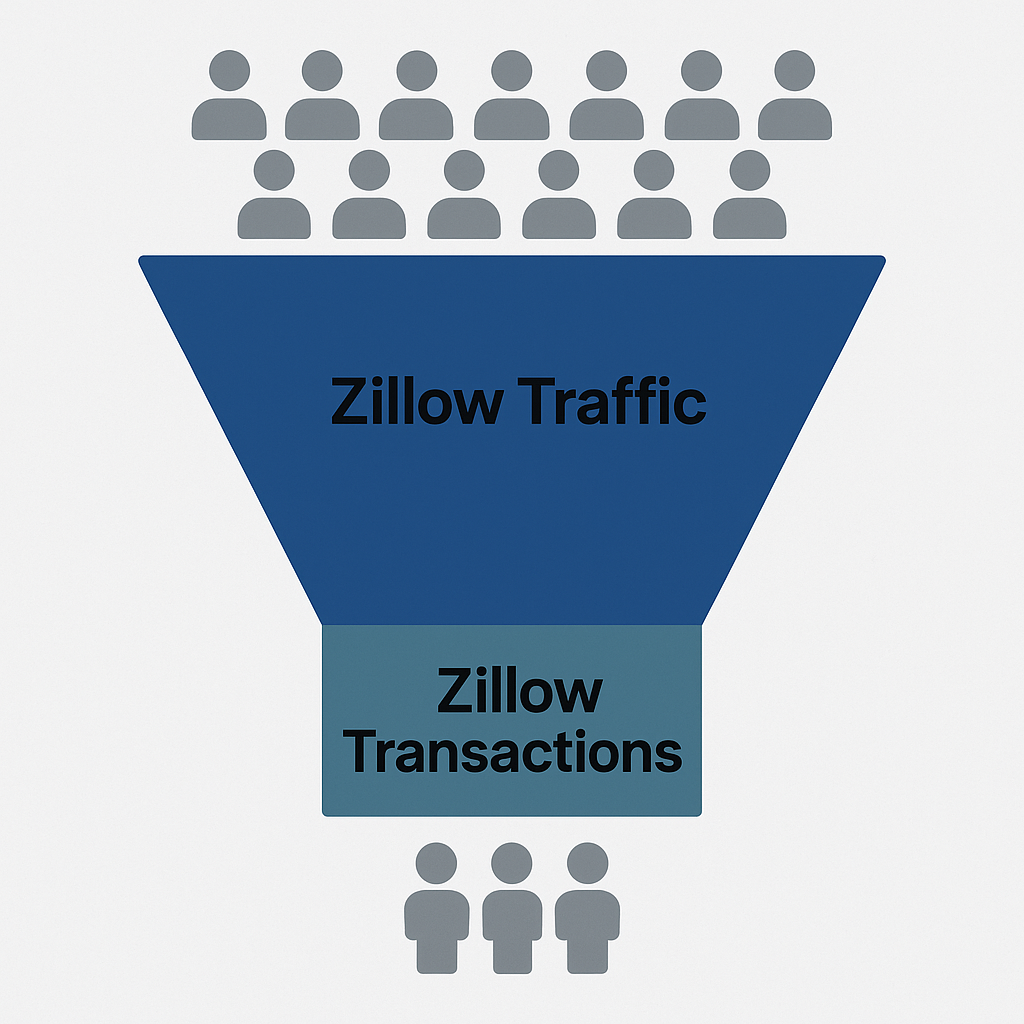
Buried in Zillow’s opposition to a preliminary injunction was a candid acknowledgment of how their platform actually works — and where its limits lie.
But perhaps the most telling statement from Zillow’s filing is this:
Welcome to real estate insights born from many years “in the trenches.” This site cuts through the theory to deliver down-to-earth, field-tested advice for homeowners, buyers, and industry pros—covering everything from buying and selling to investing and development. It’s all practical knowledge for making smarter property decisions.
Latest real estate news and on the real estate industry and profession.

Buried in Zillow’s opposition to a preliminary injunction was a candid acknowledgment of how their platform actually works — and where its limits lie.
But perhaps the most telling statement from Zillow’s filing is this:

The real estate market just got a fresh dose of both reality and opportunity, according to a new June 2025 analysis from Chandan Economics. Their latest report flags two key developments that should be on every agent’s, investor’s, and savvy homeowner’s radar: a clear housing market slowdown and major pro-real estate wins tucked into federal tax legislation.
First, the red flag: new home sales in May dropped 13.7% from the month before, hitting their lowest level since October 2024. That’s not a minor blip. Inventory is rising, discounting is dragging on, and, according to Chandan, some builders are now “halting construction.” If you’re working with buyers waiting for prices to soften, or sellers expecting the frenzy of 2021-2022, this is the kind of shift that can reset expectations fast.

Here’s an update on the One Big Beautiful Bill, fresh from its tight Senate win and heading to the House.
Bottom line up front: The Senate kept almost all the real-estate perks from the original plan and added a few new benefits. If the House signs off, homeowners, landlords, sellers, investors and real estate agents will see more money in their pockets, clearer tax rules, and stronger support for affordable housing.

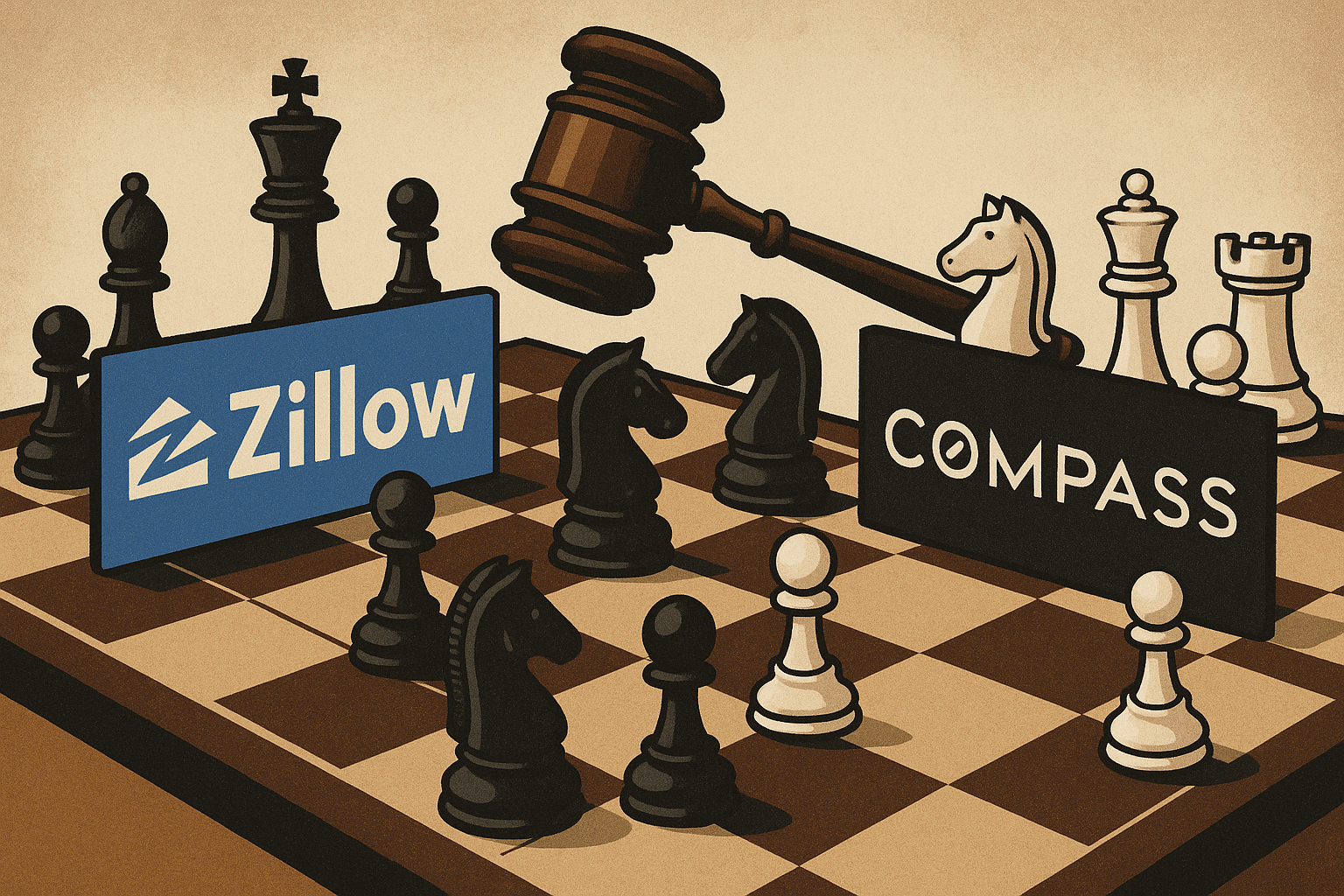
The Compass-Zillow Lawsuit Isn’t Just Legal Drama—It’s a Battle Over Real Estate’s Innovation DNA
Glenn Sanford, CEO of eXp, just weighed in on the Compass-Zillow lawsuit—and whether you agree with him or not, his post hits a critical nerve about where this industry could be headed.

The Compass antitrust lawsuit against Zillow is heating up, and Greg Hague’s latest analysis puts an even sharper point on what’s at stake. I covered the legal filing last week, but Hague’s breakdown highlights just how transformative this case could be for the real estate industry. He’s right: this isn’t just about listing policies or portal preferences. It’s a fight over who controls the digital front door to homebuying—and whether innovation in marketing strategies gets crushed under the weight of a near-monopoly.
What Zillow calls a policy change for transparency, Hague frames as textbook exclusionary conduct. And it’s hard to argue with that lens when you consider the timing: Compass gains traction with its Private Exclusives and extended pre-MLS marketing, NAR adjusts the Clear Cooperation Policy to allow more flexibility, and suddenly Zillow drops a 24-hour rule that effectively bans listings that don’t play by its rules. It’s not about fairness to buyers; it’s about eliminating options that threaten Zillow’s lead-gen machine. The permanent nature of the ban, coupled with Zillow’s platform dominance, underscores the concern.

As the real estate market tips slowly toward a buyer’s market, it’s time for a serious gut-check on the rise of private or “exclusive” listings. Damian Eales, CEO of Realtor.com, hit this issue head-on in an Op-Ed yesterday, calling out what he sees as a growing and dangerous trend: the quiet erosion of transparency and competition in the U.S. housing market.
According to Eales, “Selling a secret is no way to start a bidding war and will surely result in shortchanged sellers.” I have to agree. The data doesn’t lie—more eyeballs mean more competition, and more competition typically means better offers.

Rob Hahn recently ignited an important conversation about the National Association of REALTORS® (NAR) decision to significantly modify Standard of Practice 10-5, a rule initially established to prevent harassment based on protected characteristics. While NAR’s move to restrict 10-5’s scope solely to REALTORS’ professional activities has been welcomed as a step toward safeguarding free speech, Hahn highlights another critical dimension needing attention: restitution for those previously penalized under its broader interpretation.
According to Hahn, now that NAR acknowledges the overreach of the initial rule, it owes apologies and possibly reparations to REALTORS previously sanctioned under it. As Hahn emphasizes, individuals like Brandon Huber, Wilson Fauber, Chad DeVries, and Jamie Haynes faced serious professional and personal repercussions for actions now clearly outside the revised scope of harassment. These repercussions included damaged reputations, career setbacks, and financial losses from legal defenses. Hahn calls for immediate revocation of any sanctions, restoration of membership, and financial reparations to make these individuals whole.

Over the years, I’ve watched this industry change in a lot of ways—but I’ve rarely seen a company founder publicly challenge the power structures of organized real estate quite like Robert Reffkin did last week during Compass’s retreat in Denver. His keynote speech, aimed at Compass agents, was less about motivation and more of a pointed indictment of NAR, MLSs, and portals like Zillow. Whether you agree with him or not, he raised some serious questions that the broader real estate world can’t ignore.
Reffkin framed the issue as “choice versus control,” painting organized real estate as a system designed not to protect consumers, but to maintain control over listing data and membership dues. He made the case that MLSs and trade associations—backed by $2B in annual agent dues and $86M in lobbying spend—have gone well beyond their original missions. He described Clear Cooperation rules as less about collaboration and more about squashing alternative listing platforms, especially those that allow for strategic pre-market exposure or “private exclusives” that don’t route through the usual channels.

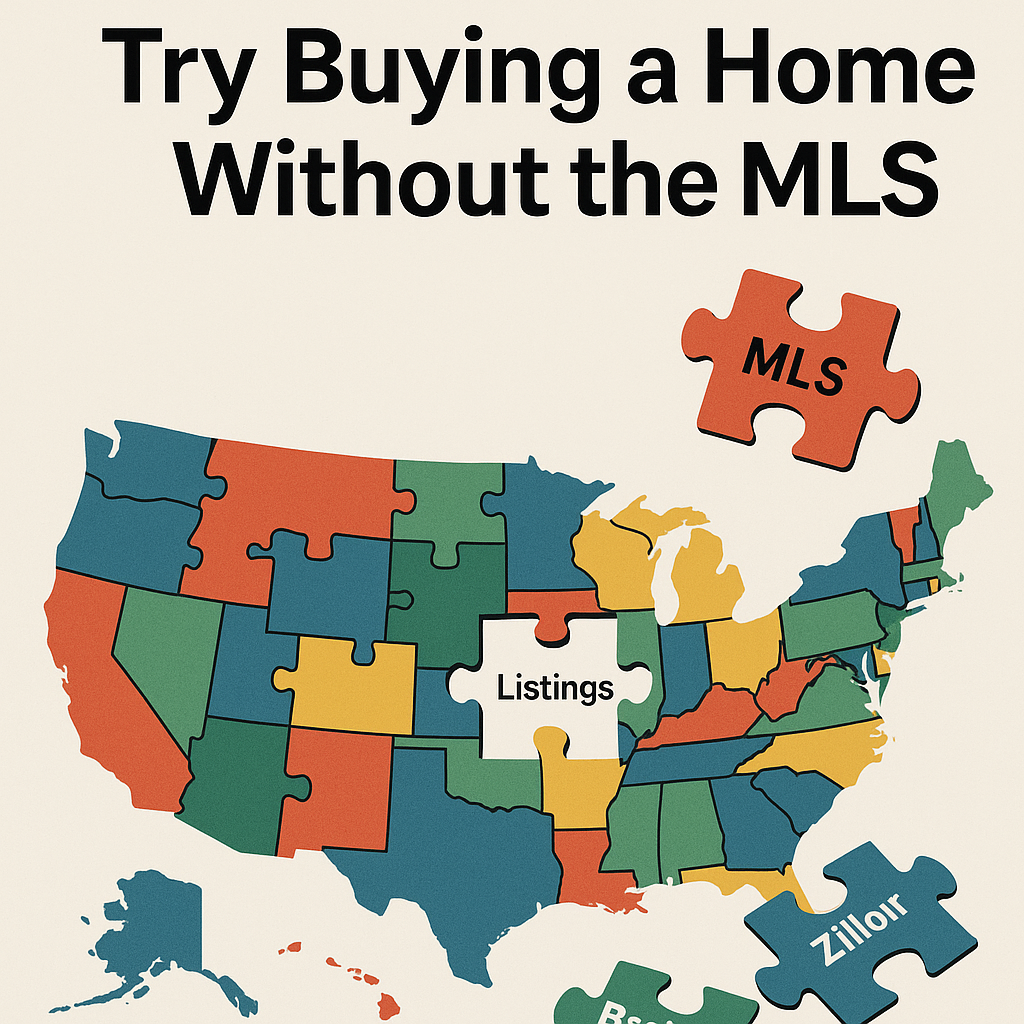
The MLS is Growing, But Not the Way You Might Think
The structure of organized real estate in the U.S. is undergoing a quiet but meaningful transformation, and for agents and brokers navigating multiple markets, the implications are real.

Real estate investors sold nearly 11% of all homes nationwide in 2024—the highest share in over two decades of tracking, according to Realtor.com’s latest investor report. That figure represents over 500,000 homes sold by investors last year alone. But unlike the investor selloffs we saw during the housing boom, this time it’s not about taking profits—it’s about stopping the bleeding. With rental prices cooling and returns tightening, investors are repositioning fast.
The shift is visible in the numbers. While investor buying slowed slightly compared to 2021 and 2022, the drop in sales volumes didn’t mirror that pace. Instead, more investors decided to exit, particularly in states where home values have flattened or rent growth has stalled. The map below tells the story—investors are still net buyers in most states, but the gap between what they’re buying and what they’re offloading has narrowed significantly.